Vinh Long Pottery Village: The Red Kingdom of Terracotta and Brick Kilns in the Mekong Delta
Published on May 16, 2026 | Travel Guide
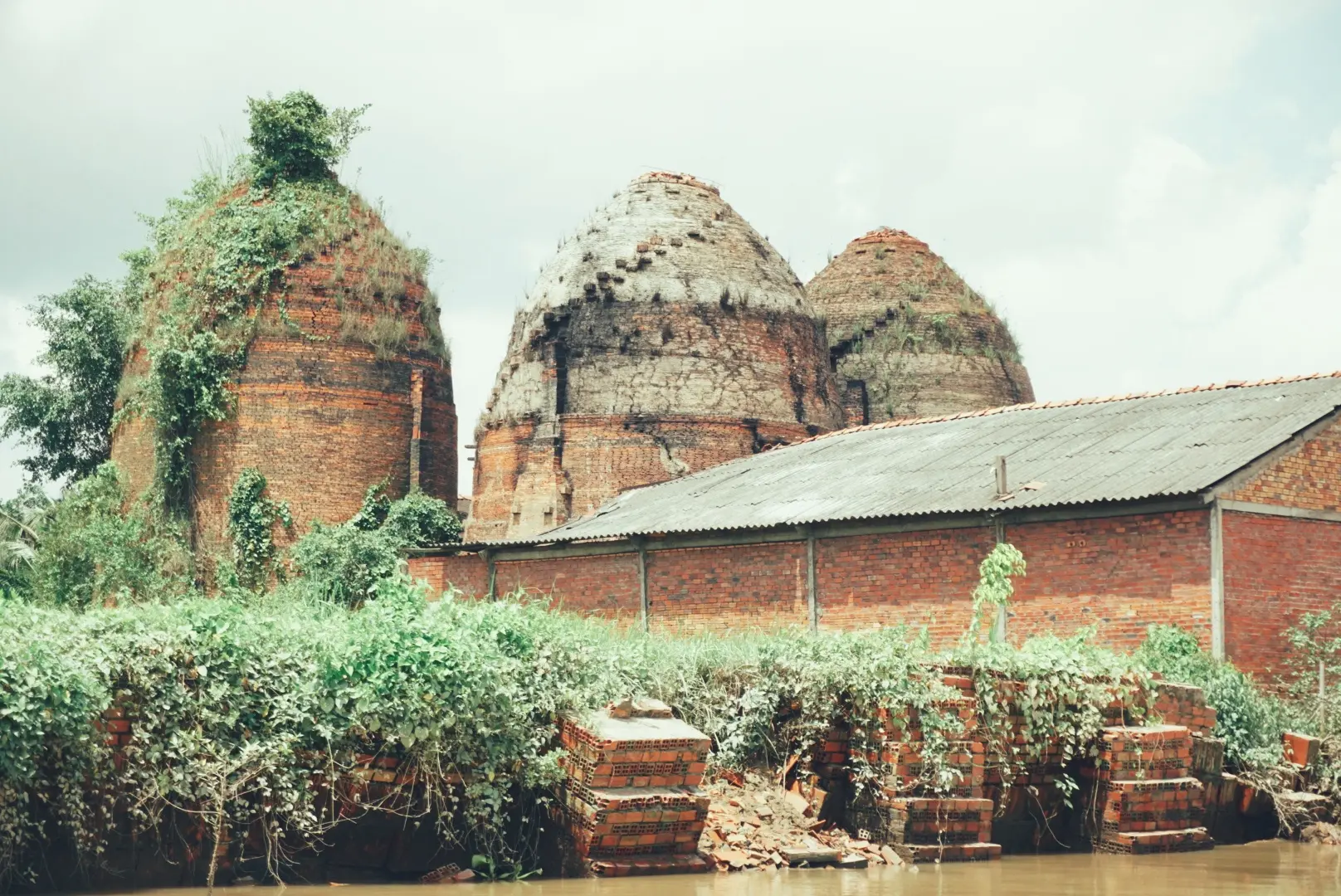
Most travelers come to the Mekong Delta expecting floating markets, tropical fruit farms, and narrow canals lined with coconut trees.
But growing up in Vĩnh Long, one of the landscapes that stayed in my memory the most wasn't green at all—it was red.
- Red brick dust on village roads
- Red terracotta statues drying under the sun
- Red kiln towers rising beside quiet canals in Mang Thit
If you stay long enough in Vĩnh Long, especially around the countryside near Mekong Pottery Homestay, you start realizing the Mekong Delta isn't only about water. It's also about clay.
And honestly, the pottery villages here feel completely different from the more famous ceramic destinations in Vietnam. They're quieter, more local, less polished—and that's exactly why many travelers end up loving them.
This guide will help you explore the real Vĩnh Long pottery village experience: what to expect, where to go, the best time to visit, and why the terracotta villages of Mang Thít have become one of the Mekong Delta's most fascinating hidden gems.
What Is the Vinh Long Pottery Village?
When people hear "pottery village," they often imagine delicate bowls, teacups, or ceramic plates.
That's not really what Vinh Long is known for.
The pottery villages in Mang Thit District, Vinh Long Province are famous for:
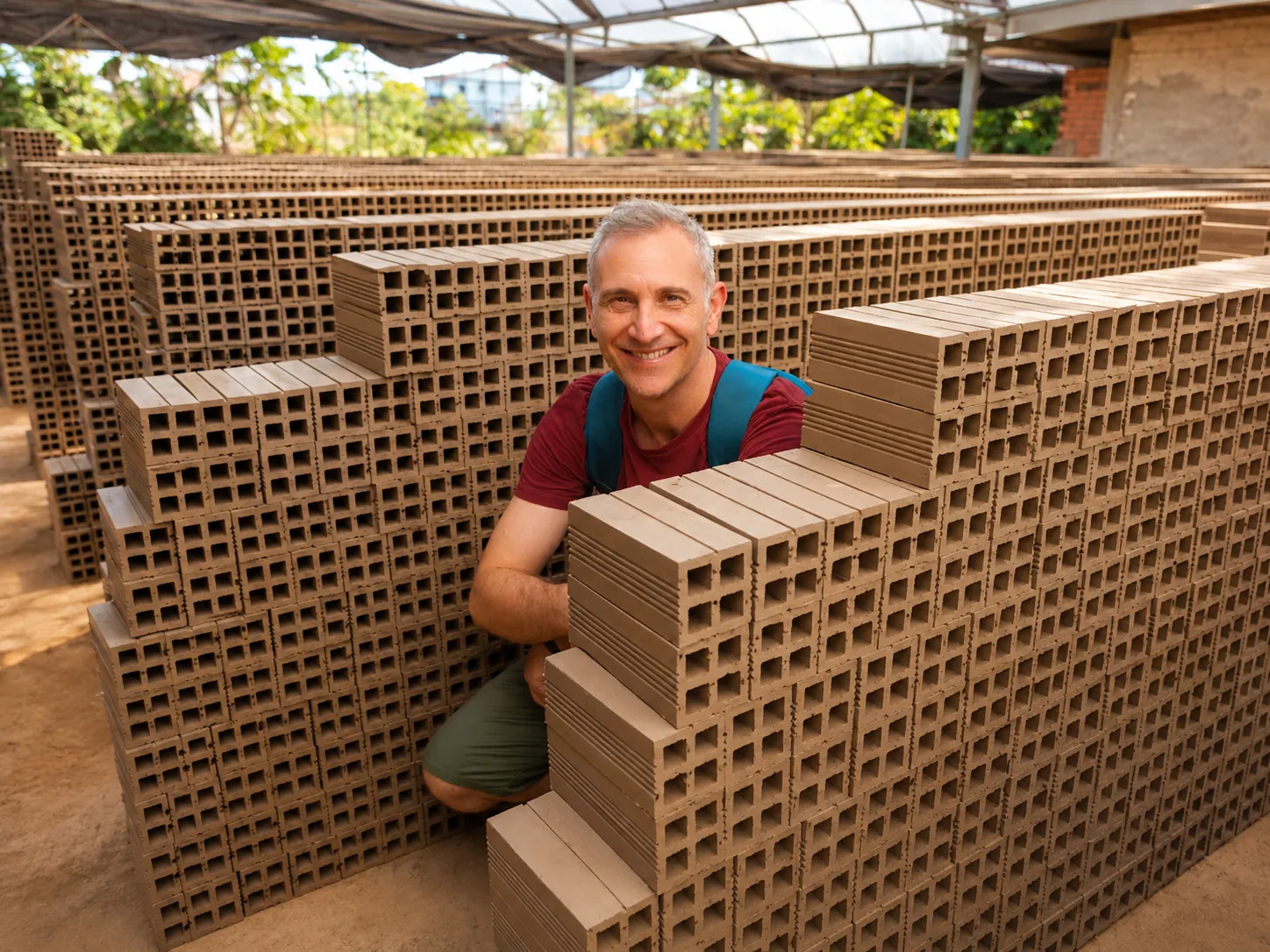
- Red brick production
- Terracotta decorative items
- Outdoor clay statues
- Garden decorations
- Architectural terracotta products
- Large decorative planters and sculptures
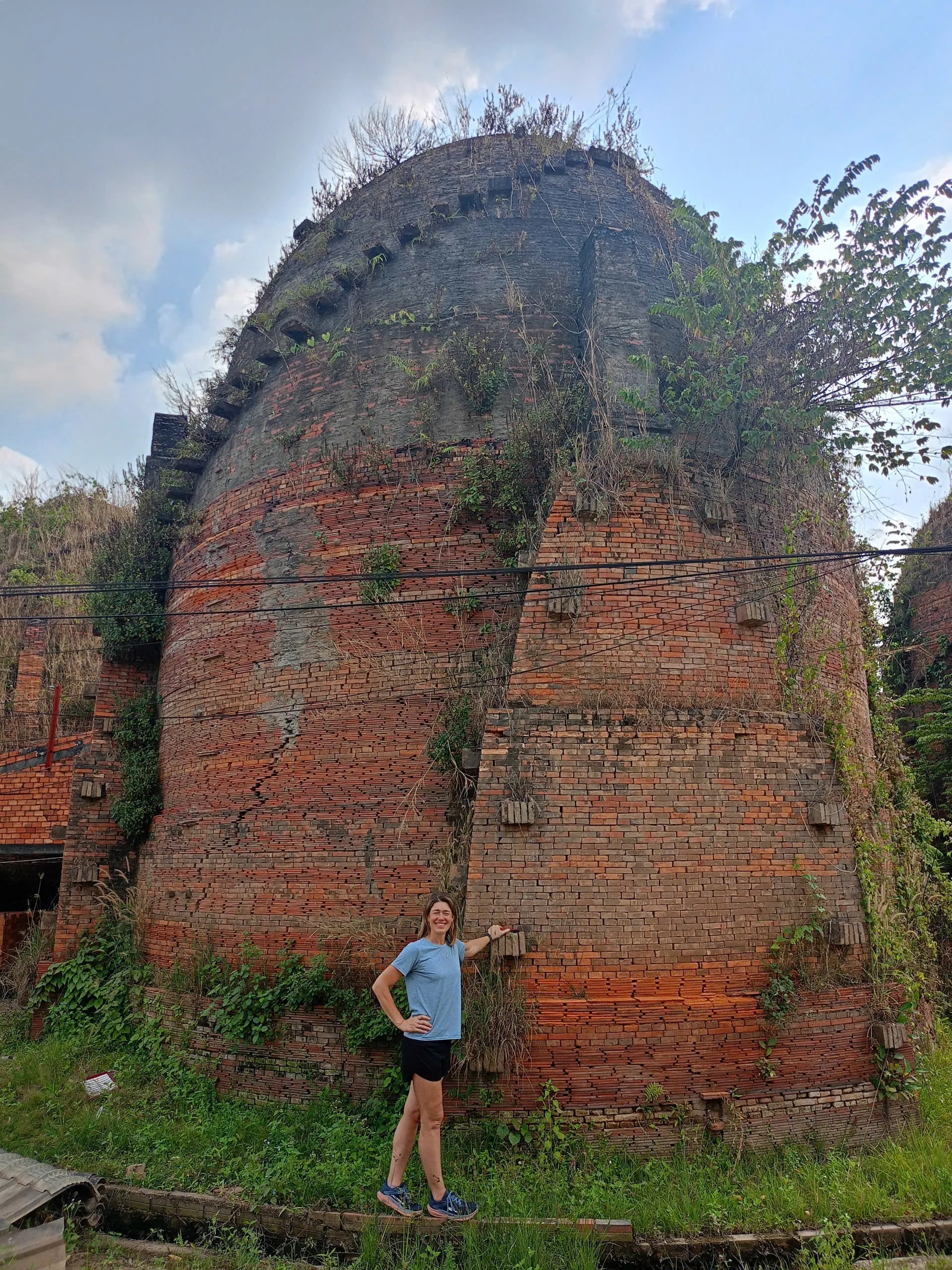
The area is often called the "Kingdom of Red Kilns" because of the enormous number of traditional brick kilns built along the canals.
And when you first see them in person, you understand why. Hundreds of giant orange-red kiln towers stretch across the riverside landscape, reflecting on the water like something from another era.
Where Is the Vinh Long Pottery Village?
The main pottery and brick-making villages are located in Mang Thit District, around 30–45 minutes from central Vinh Long City Center depending on the route and transportation.
From Mekong Pottery Homestay, visitors can easily explore the area by:
- Bicycle
- Scooter
- Private car
- Local boat tours
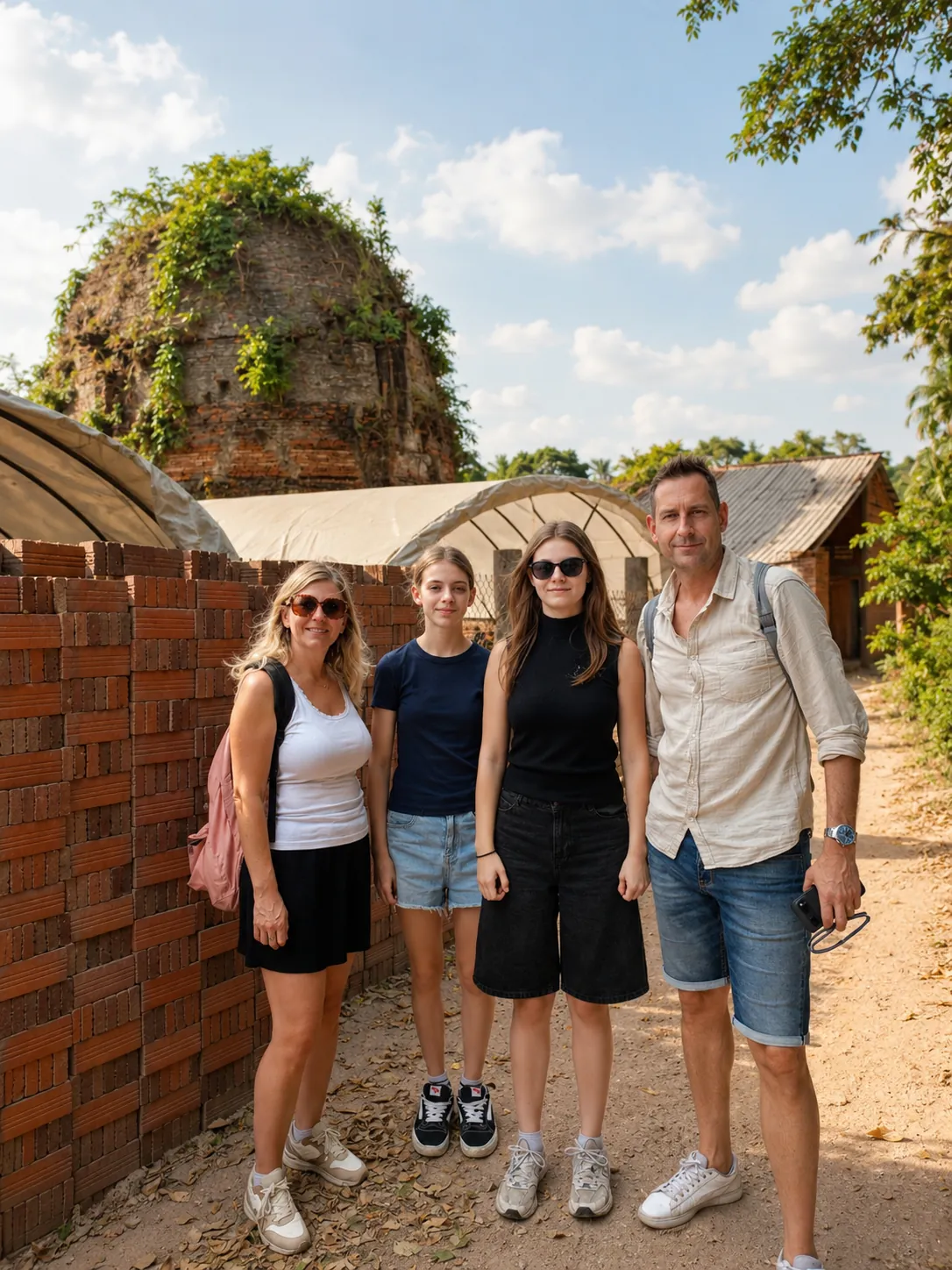
Personally, I think visiting by boat gives the best experience.
The villages were built around waterways for a reason. For generations, clay, bricks, and terracotta products were transported entirely by river through the Mekong Delta.
Even today, the canals still feel like the veins connecting the workshops together.
Why the Pottery Villages of Vinh Long Feel So Different
One thing I always tell guests staying at Mekong Pottery Homestay is this:
Don't expect a polished tourist attraction.
Mang Thit is still a real working area.
You'll see:
- Kiln workers covered in red dust
- Terracotta statues lined beside homes
- Families shaping clay outdoors
- Boats moving through narrow canals
- Old kilns standing beside modern houses
Some workshops are large. Others are literally family homes with clay drying in the front yard. That authenticity is what makes the experience memorable.
The History of Vinh Long's Red Brick and Terracotta Industry
The pottery tradition in Vinh Long developed because the Mekong Delta provides rich clay deposits perfect for brick and terracotta production.
For decades, Mang Thit became one of southern Vietnam's most important brick-making regions. The canal network allowed heavy materials to be transported efficiently across the Delta by boat.
At its peak, thousands of kilns operated throughout the district.
Today, the industry has changed.
Some traditional kilns are no longer active due to modernization and changing construction methods. Many workshops now focus more on:
- Decorative terracotta
- Garden sculptures
- Outdoor architectural products
But the old kiln landscape still defines the identity of the area. And honestly, that's what makes Mang Thit special—it doesn't feel frozen like a museum. It feels like a place adapting while still holding onto its roots.
What You Can Experience at Vinh Long Pottery Village
1. Seeing the Famous Red Brick Kilns
This is usually the moment that surprises visitors the most.
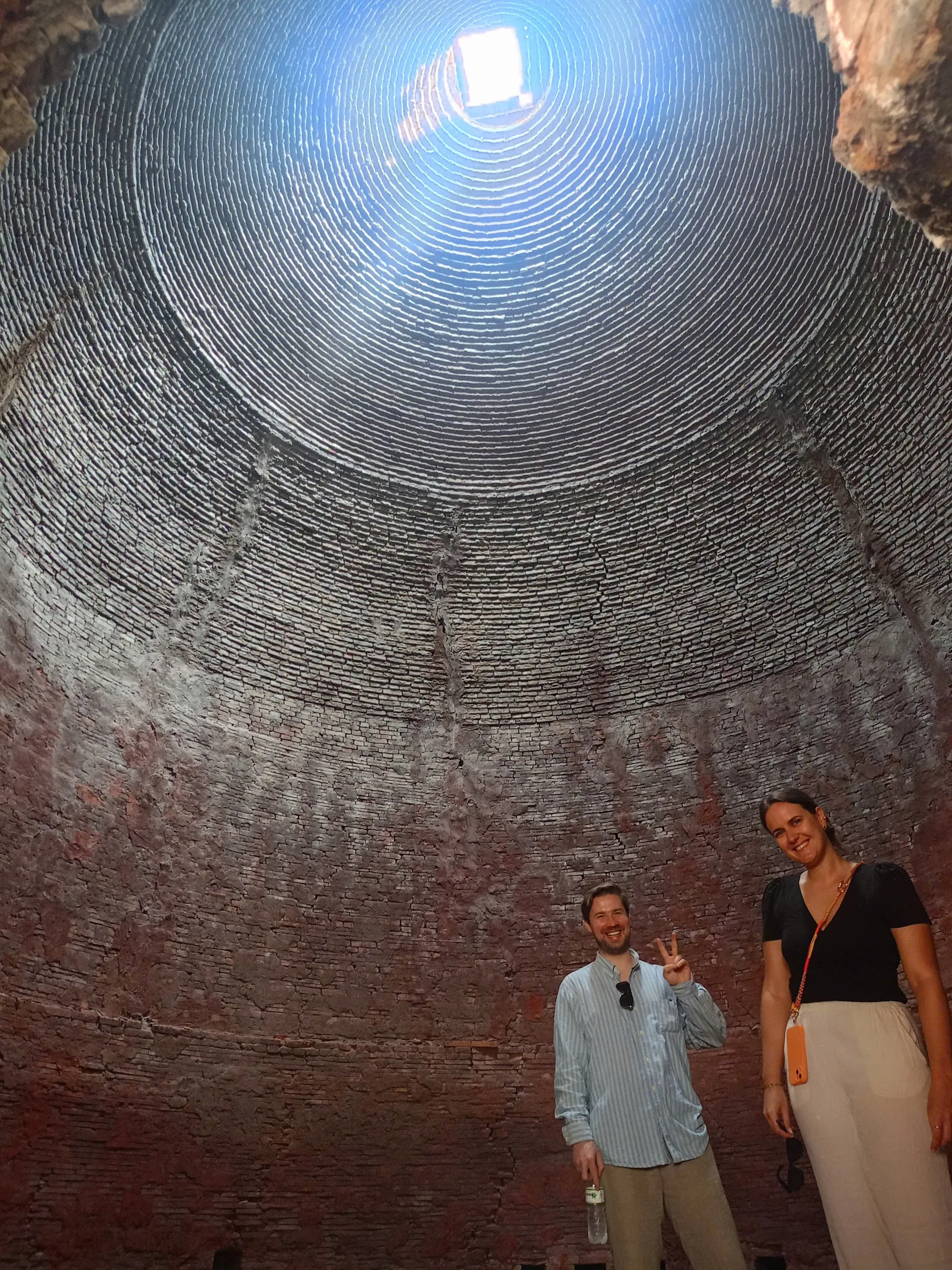
The kilns are massive—with tall dome-shaped structures built directly beside canals.
Some are abandoned. Some are still active. Some have partially collapsed and become strangely beautiful over time.
When sunlight hits the red brick during golden hour, the entire landscape glows orange. If you enjoy photography, this is probably one of the most underrated photo spots in the Mekong Delta. Explore on our Discovering the Red Kingdom tour.
2. Watching Terracotta Craftsmanship
Unlike traditional ceramic villages focused on tableware, Mang Thit factories mostly create larger terracotta products.
You may see artisans making:
- Clay statues
- Animal sculptures
- Garden pots
- Decorative outdoor pieces
- Architectural terracotta items
Many pieces are shaped by hand before being dried and fired in kilns. The process looks simple at first, until you actually watch how much physical labor and precision is involved.
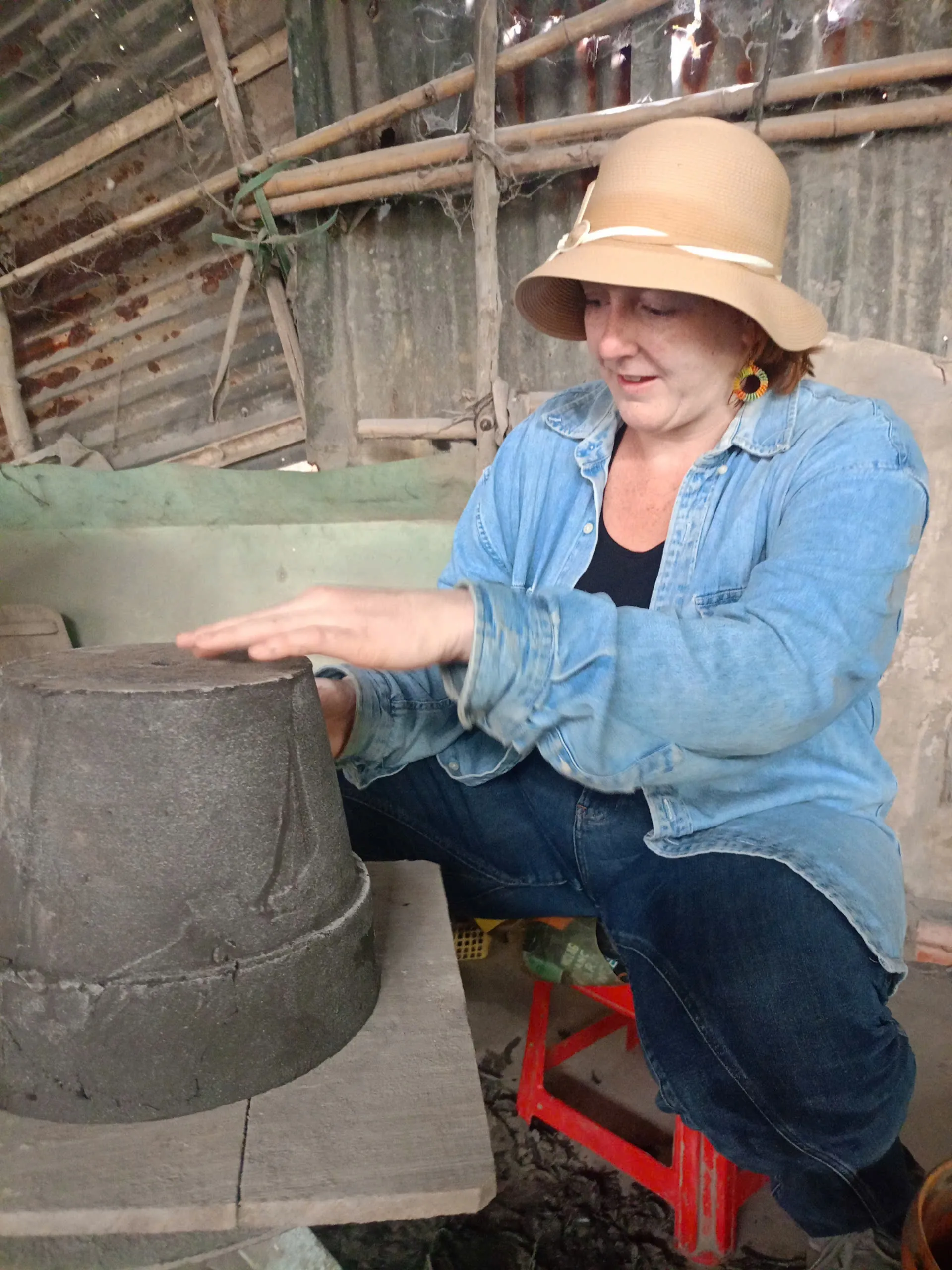
The heat alone near active kilns can be exhausting.
3. Exploring the Villages by Boat
This is still my favorite way to experience Mang Thit.
The waterways reveal things you miss from the road:
- Hidden kilns behind coconut trees
- Boats transporting bricks
- Terracotta products drying beside canals
- Children fishing near workshops
- Smoke drifting from kiln chimneys
Sometimes the atmosphere feels almost cinematic, especially early in the morning when fog sits low over the river. It's quiet in a very Mekong Delta way.
4. Photographing One of the Most Unique Landscapes in Southern Vietnam
A lot of international travelers have never seen anything like Mang Thit before.
The combination of:
- Red kilns
- Tropical canals
- Palm trees
- Clay dust
- Terracotta statues
creates a landscape that feels completely different from the rest of Vietnam. Drone photography here has become especially popular because the kiln towers look incredible from above.
5. Try a Hands-On Pottery Workshop Yourself
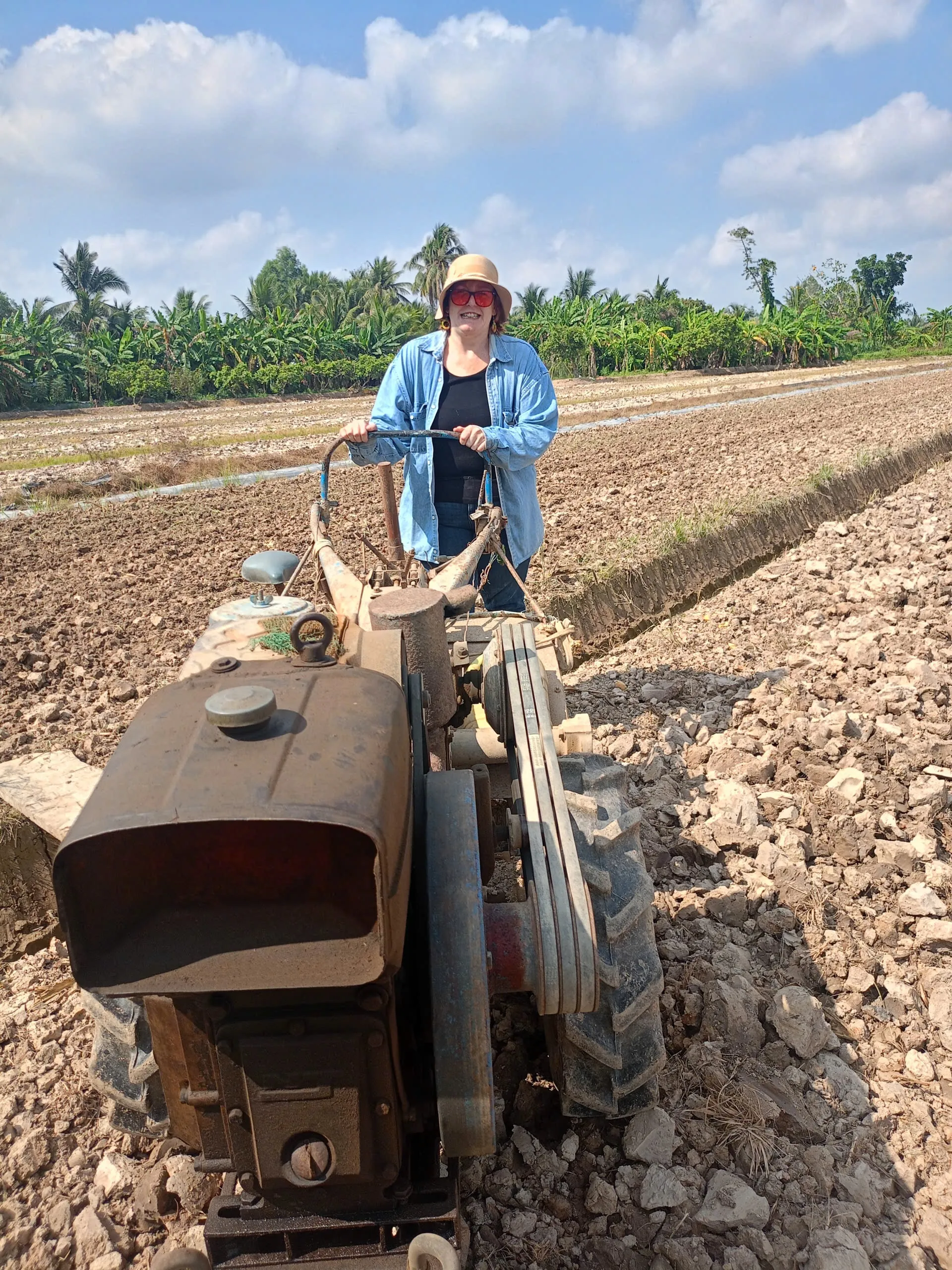
One thing many travelers don't expect in Vĩnh Long is that you can actually sit down and try working with clay yourself.
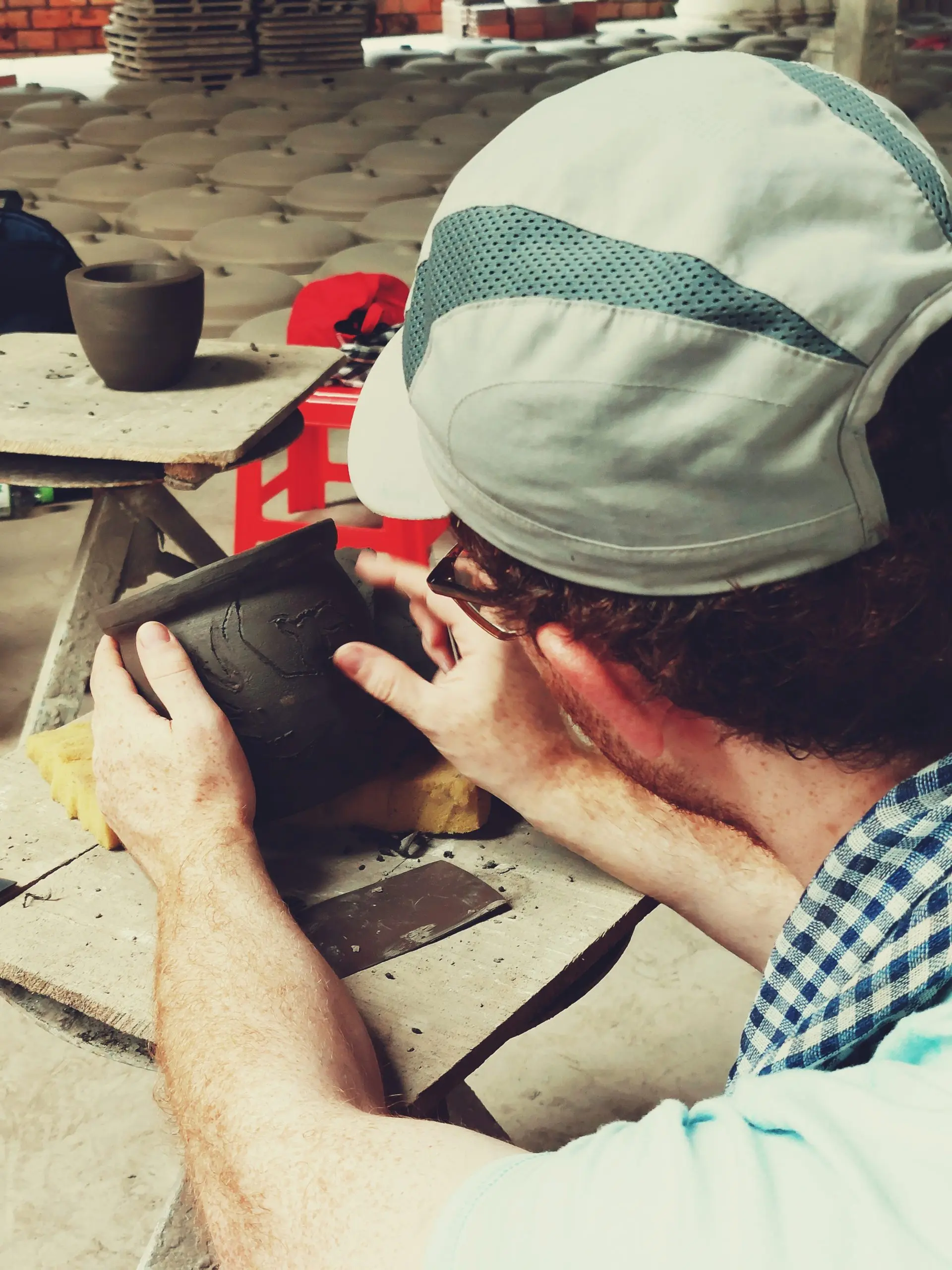
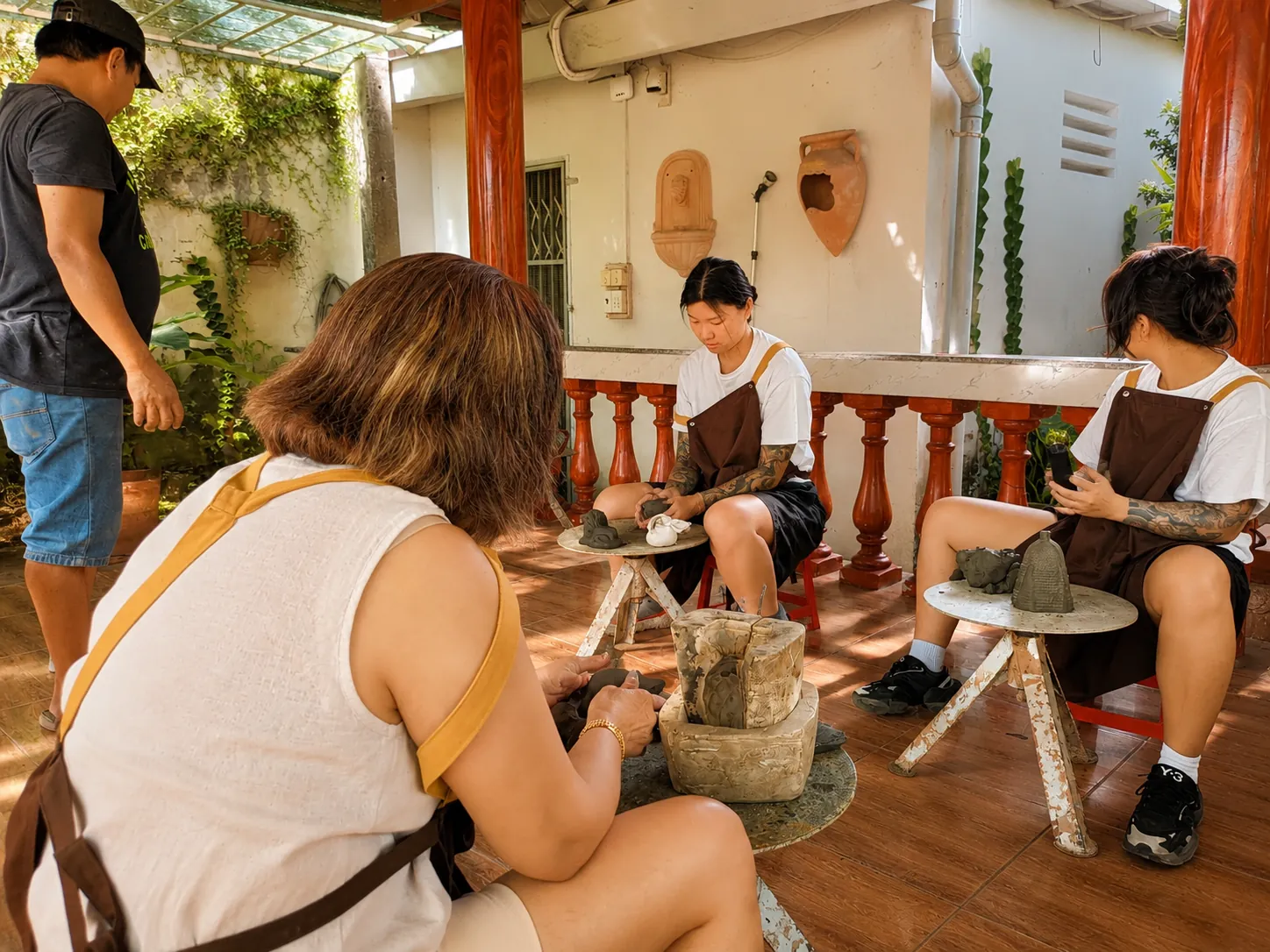
At Mekong Pottery Homestay, you can sign up for a local pottery workshop experience where you get your hands dirty and learn the basics of shaping clay using traditional methods inspired by the pottery culture of the Mekong Delta.
And honestly, it gives you a whole new appreciation for the craft.
What looks easy when local artisans do it suddenly becomes much harder once the clay starts collapsing in your hands.
The experience is less about making something perfect and more about understanding:
- How clay behaves
- How much skill shaping requires
- The connection between local craft traditions and daily life in the Mekong Delta
It's also a really fun break from typical sightseeing.
Best Time to Visit Vinh Long Pottery Village
The dry season from roughly December to April is usually the most comfortable period for exploring the villages. Roads are easier to navigate, canal trips are smoother, and photography conditions are often better.
But honestly, the time of day matters even more.
Early Morning (7:00 AM – 9:30 AM)
This is easily the best time.
The weather is cooler, the light is softer, and many workshops are already active.
You'll often see:
- Workers preparing clay
- Terracotta products drying outside
- Boats moving through canals
- Morning sunlight reflecting off the kilns
The atmosphere feels peaceful before the midday heat arrives.
Late Afternoon (3:30 PM – Sunset)
Another excellent time, especially for photography. The warm sunlight makes the red kilns and terracotta glow beautifully. Temperatures also become much more comfortable compared to midday.
Avoid Midday Visits
Around 11:30 AM to 1:30 PM, many workers stop for lunch breaks and rest. The villages can feel quiet during this period, and the heat becomes intense—especially near active kilns where temperatures already run high.
For travelers not used to tropical humidity, the combination of:
- Direct sunlight
- Brick heat
- Clay dust
- Humidity
can become tiring surprisingly fast.
Bring:
- Water
- Sunscreen
- A hat
- Comfortable breathable clothing
How to Visit the Pottery Villages From Mekong Pottery Homestay
One advantage of staying at Mekong Pottery Homestay is that you can experience the villages at a slower pace instead of rushing through on a day trip from Ho Chi Minh City.
Many guests combine the pottery village with:
- Cycling through rural backroads
- Canal boat rides
- Fruit orchards
- Local coffee stops
- Countryside photography
- Traditional Mekong meals
And honestly, that slower approach works best here.
Mang Thít isn't really about checking attractions off a list. It's about wandering.
Sometimes the most memorable moments are small:
- Drinking iced coffee beside a canal
- Watching rain hit the kilns during wet season
- Seeing terracotta statues lined up outside a family workshop
- Hearing boats pass through narrow waterways at sunset
That's the side of the Mekong Delta many travelers never get to experience. See also our Pottery Village Visit and Best Things to Do in Vinh Long guides.
💡 Travel Tips for Visiting Vinh Long Pottery Village
- Wear shoes you don't mind getting dusty — red clay dust gets everywhere.
- Bring sun protection — there's often very little shade around kiln areas.
- Respect working areas — these villages are active workplaces, not staged tourist attractions.
- Ask before photographing workers — most people are friendly, but polite respect matters.
- Don't expect luxury tourism infrastructure — part of the charm is how local and untouched the area still feels.